
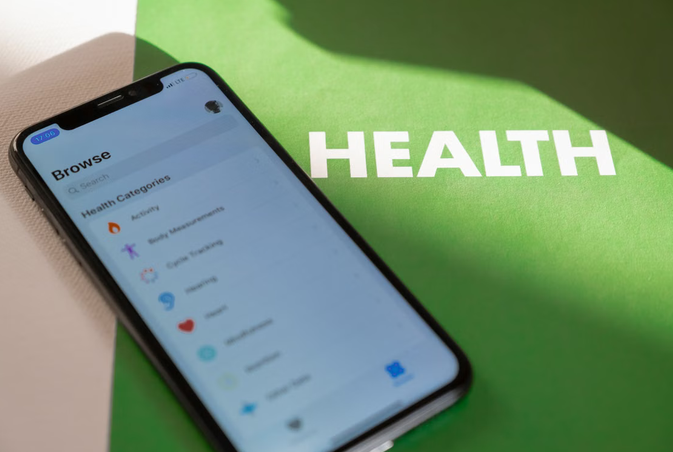
How Researchers Use Wearable Data During Clinical Studies
Wearable devices can provide researchers with continuous measurements that would be difficult to obtain through occasional clinical visits. Depending on the device, sensors can record information such as heart rate, physical activity, sleep patterns, body temperature, or movement. During a clinical study, participants may wear these devices for extended periods while continuing their normal routines. This creates a stream of observations that show how measurements change over time, rather than providing information from a single appointment. Researchers can then examine these measurements alongside other data collected during the study.
Why Continuous Measurements Can Be Valuable
Traditional clinical assessments often provide a snapshot of a participant’s condition at a particular moment. Wearable data can provide a broader view by recording changes between visits. Researchers may identify patterns that would otherwise be difficult to observe, such as changes in activity after an intervention or differences in sleep across several days. Repeated measurements can also help researchers understand how participants respond to particular conditions over time. However, continuous data does not automatically provide more meaningful information, since its usefulness depends on the accuracy, consistency, and relevance of the measurements being collected.
How Researchers Analyze Wearable Information
Raw wearable data generally requires processing before it can be used in clinical research. Researchers may examine measurements over specific periods, identify changes from a participant’s usual levels, or compare patterns between different groups. They may also combine wearable information with questionnaires, laboratory results, medical assessments, or other study measurements. This allows researchers to investigate relationships between physiological or behavioral patterns and the outcomes being studied. Because wearable devices can produce large amounts of data, researchers must also determine which measurements are relevant to the research question and how to interpret them.
The Importance of Device Accuracy
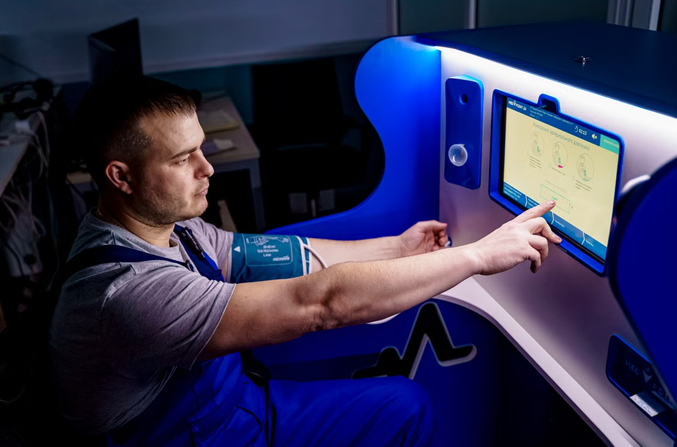
Wearable measurements are not necessarily equivalent to measurements obtained using clinical equipment. Consumer and research devices can differ in sensor technology, calibration, algorithms, and measurement methods. Movement, device placement, skin contact, and battery interruptions can also affect data quality. Researchers therefore need to understand the characteristics and limitations of the device used in a study. Validation and quality checks can help determine whether measurements are reliable enough for the specific research purpose, rather than assuming every recorded value represents an exact physiological measurement.
How Privacy and Participant Compliance Matter
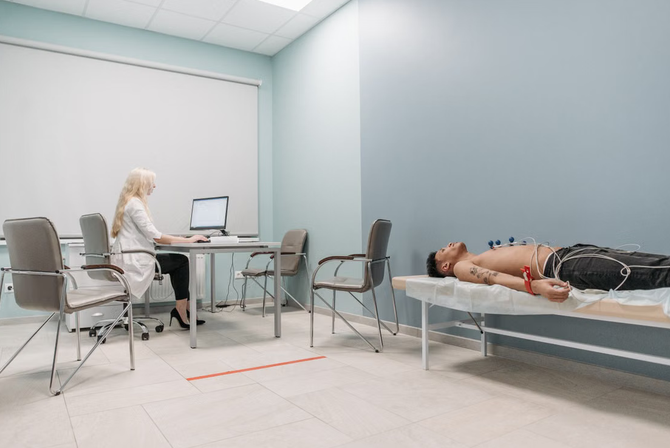
Wearable studies also involve practical and ethical considerations because devices can generate detailed information about participants’ activities and physiological patterns. Researchers must establish appropriate procedures for collecting, storing, and protecting this information. Participants may also remove devices, forget to wear them, experience technical problems, or stop using them consistently. These gaps can affect dataset completeness and may influence how researchers interpret the results. Participant instructions, device monitoring, and data quality procedures therefore form an important part of studies involving wearable technology.
Researchers use wearable data during clinical studies to obtain repeated measurements of physiological and behavioral patterns over extended periods. These devices can reveal changes between clinical visits and provide information that complements laboratory assessments, questionnaires, and other research methods. At the same time, wearable data requires careful interpretation because device accuracy, missing measurements, sensor limitations, and participant behavior can affect its reliability. When researchers consider these factors, wearable technology can provide a more continuous view of participants and contribute valuable information to clinical research.
…