
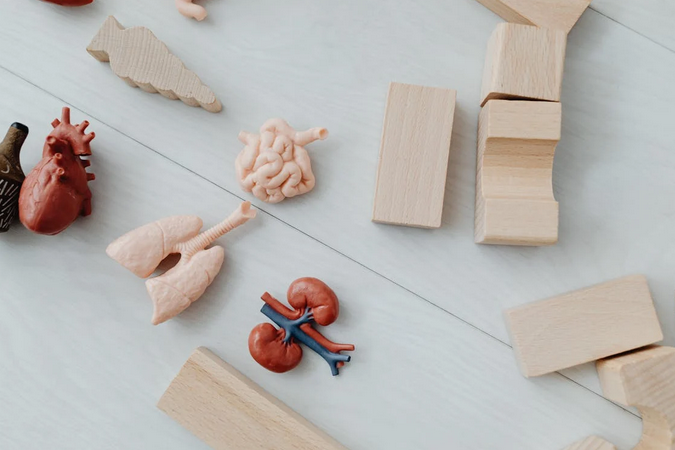
When we think of vital organs, the usual suspects come to mind: heart, brain, lungs, maybe the liver if you’re feeling health-conscious. But what about the other guys? The quieter, less flashy organs that keep our bodies running behind the scenes? We’re talking about the spleen, thymus, appendix, and others often dismissed as “extra” or “unimportant.” These silent organs may not get the same spotlight, but they play crucial roles in our immune function, blood health, and overall balance. So why do we ignore them? Let’s dig into the mystery—and maybe give your spleen a little love while we’re at it.
The Underrated Role of the Spleen
The spleen is often joked about as the organ you can “live without”—and technically, you can. But just because it’s not essential for survival doesn’t mean it’s not important. Your spleen filters your blood, recycles old red blood cells, and plays a major role in your immune system. It’s like a backstage crew member during a performance: rarely seen, but without it, the show doesn’t run smoothly. The reason it’s ignored? It doesn’t often cause dramatic symptoms when it’s struggling—until it does.
Thymus: The Forgotten Immune Trainer

Nestled behind your sternum, the thymus is an organ most people have never heard of, even though it’s critical for your immune system—especially in early life. It trains T-cells, which are white blood cells that help your body fight infection and disease. While it shrinks as we age, its early contributions lay the foundation for your immune response. Modern medicine doesn’t talk much about the thymus unless there’s a specific problem, but functional and holistic health approaches are starting to pay more attention to its role.
The Gallbladder’s Hidden Contribution
The gallbladder is another organ that’s often removed without much second thought, especially when gallstones or pain show up. But this little pouch stores and releases bile, which is essential for digesting fats and absorbing fat-soluble vitamins. Without a gallbladder, digestion still happens—but it’s often less efficient. People who’ve had theirs removed sometimes experience lingering digestive issues that could’ve been prevented or better managed with early support or lifestyle adjustments.
The Appendix: Not as Useless as We Thought

The appendix has long been labeled a “vestigial organ”—essentially a leftover part from evolution with no real purpose. But recent research suggests that the appendix may actually serve as a sort of “safe house” for beneficial gut bacteria. In times of illness or imbalance, it may help repopulate the digestive tract with good microbes. While appendicitis still lands many in the ER, dismissing the appendix as useless is now seen as outdated thinking. Turns out, even this tiny organ might have a bigger job than we once thought.
Why Modern Medicine Overlooks These Organs
There’s a reason these organs don’t get much attention: they often don’t cause symptoms until something goes really wrong. They’re not typically part of annual checkups, and unless there’s a crisis, they tend to stay off the radar. Western medicine is also heavily focused on treating conditions rather than preventing them—so unless a spleen is enlarged, or an appendix is inflamed, no one’s really talking about them. However, functional and integrative health fields are starting to recognize the importance of these “silent” organs and are exploring ways to support their long-term health.
Your body is a symphony of systems—and every instrument matters, even the quiet ones in the back. Organs like the spleen, thymus, and appendix may not be household names, but they’re far from irrelevant. As science evolves, we’re beginning to appreciate just how much these underrated organs do to keep us healthy. So next time you’re thinking about your health, don’t just focus on your heart and lungs. Give a little thought to the silent ones, too—they’ve been working hard without the praise.